Click Wood
- 4.7
- Rating
- 1.00M
- Installs
- Free
- Price
 Analysis by App-foxy
I usually reach for a board game when I want something quiet rather than competitive, and Click Wood fits that mood immediately. It is a free mahjong-style game from Heartsnet, built around large wooden-looking tiles and an unhurried pace. After spending time with it, I see the appeal: it is easy to understand, gentle on the attention, and suitable for short sessions when I want my phone to feel less demanding.
The important distinction is that this is not the kind of mahjong game I would choose for deep strategy, online competition, or a dramatic challenge. Its strength is relaxation. You look for matching tiles, clear the board, and keep going at a rhythm that feels closer to a small daily ritual than a tournament. That makes it a particularly comfortable choice for players who enjoy board puzzles but do not want complicated rules before they can begin.
How the current version feels in everyday use
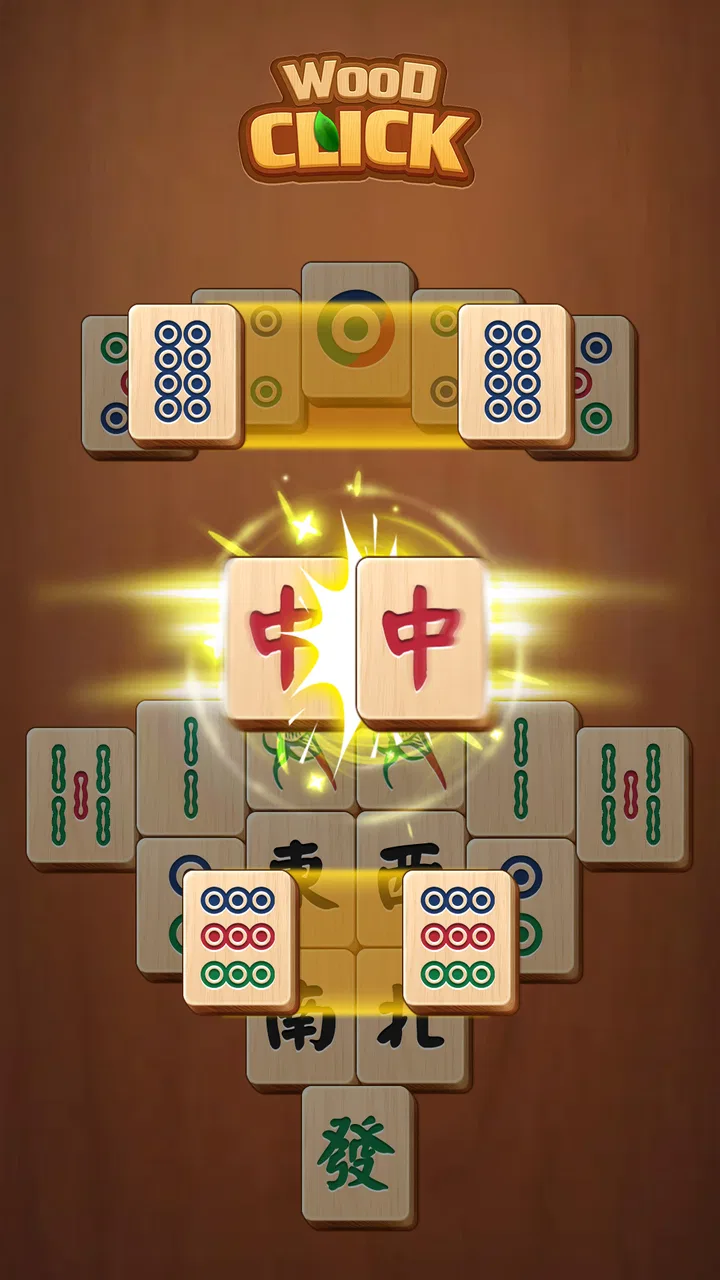
The game’s identity is clear from the first session. The wooden presentation gives the board a warmer character than the bright, highly animated style used by many mobile puzzle games. The large tiles are also a practical choice. They make the symbols easier to inspect, which matters when playing on a smaller phone or when I am using the game during a short break and do not want to squint at a crowded layout.
You May Also Like

 Blood Strike: 2.5 Anniversary
Blood Strike’s Loadouts Turn Every Drop Into a Tactical Gamble
A close look at Blood Strike’s custom loadouts: how fast access to signature weapons reshapes its battle royale rhythm, rewards preparation, and narrows the gap between fights.

 Pandora - Music & Podcasts
Pandora’s Music Is Easy to Start, but Harder to Recover
Pandora’s strength is its low-effort path from a seed to a station. Its weak spot is how much confidence it asks you to place in connection, setup, and quiet recovery.

 8 Ball Pool
 Is Built on Rivalries, Rematches, and Routine
A close look at the rivalries, rematches, shared routines, and unanswered safety questions that turn a quick pool match into a persistent mobile community.

 Samsung Music
’s Quiet Strength Is Playing What You Already Own
Its reach comes less from spectacle than from dependable access to a personal library. That simplicity is both the app’s strongest retention engine and its ceiling.

 AccuWeather: Weather Radar
AccuWeather Review: A Quick, Clear Forecast for Everyday Decisions
For everyday plans, the best forecast is the one you can understand quickly. AccuWeather makes rain timing, radar, and local conditions easy to act on, with a few trade-offs.

 Hill Climb Racing
Why Hill Climb Racing Still Turns Crashes Into One More Run
A tiny car, a bumpy hill and one more upgrade: Hill Climb Racing keeps resurfacing because its simple chaos makes every near-miss feel personal.
More From Our News Desk
View All News


That visual simplicity supports the main loop. I scan the available tiles, find a legal pair, and remove it. Each move is small, but the board gradually opens up, creating the satisfying feeling of bringing order to a cluttered surface. There is no need to learn a long rulebook. Someone familiar with traditional mahjong solitaire can start naturally, while a newcomer can understand the basic idea through play.
I found the calm approach more useful in ordinary situations than a louder game would be. For example, after finishing work, I can play a few boards while waiting for dinner without feeling that I have started another demanding task. The same applies to a commute or a quiet evening when I want a little concentration but not a story, a timer, or a competitive ranking to manage.
The board format also gives the game a useful mental balance. It is not completely passive, because careless choices can reduce future options. At the same time, it does not ask me to react quickly. I can pause, study the remaining arrangement, and choose a pair after thinking. That makes it a better fit for reflective players than fast arcade puzzles, where success depends more on reflexes than on visual planning.
The best way to approach Click Wood is as a low-pressure sorting puzzle, not as a test of speed. When I play with that expectation, the restrained design works in its favor. I am not waiting for a huge reward animation or a complicated progression screen; I am simply enjoying the gradual clearing of the board.
What the wooden presentation adds
The wood theme is more than a decorative label. It changes the emotional tone of the board. A glossy fantasy theme might make the same matching mechanic feel busy, while the wood treatment suggests something slower and more tactile. I would not call it a substitute for physical tiles, but it does give the digital version a grounded personality.
The large-tile approach is another meaningful choice. In many mobile board games, information density becomes a problem: tiles are technically readable, but the player has to zoom mentally across a small screen. Here, the emphasis on size makes visual scanning less tiring. That is helpful for older players, people who prefer larger symbols, and anyone playing on a compact device.
There is a trade-off, though. A calmer visual style can also feel plain if I am looking for constant novelty. Players who enjoy elaborate themes, animated effects, collectible boards, or a strong sense of progression may find the presentation too restrained. The same simplicity that helps relaxation may reduce excitement over a longer session.
How I would use it in a normal day
My preferred routine is to open it when I have between five and fifteen minutes, complete a small amount of play, and stop before the activity becomes repetitive. That short-session habit suits the game better than treating it as a long evening destination. Because the core action is familiar, I can return without remembering a complicated plot or rebuilding a strategy from scratch.
It also works well as a transition between activities. I might use one session after a video call to reset my attention, or play briefly before going to sleep when I want something more engaging than passive scrolling. The lack of pressure is valuable in those moments. I can focus on the board without feeling that I am falling behind other players.
For families, the Everyone content rating makes the game broadly approachable. I would still judge the experience by the individual player’s patience and eyesight rather than by the age label alone. A child who wants rapid action may lose interest, while a child who enjoys matching and arranging objects may appreciate the quiet structure. Adults who like traditional solitaire-style games are the more obvious audience.
Advice that makes the board easier to read
One useful habit is to avoid taking the first available pair automatically. I get better results when I first look for tiles that are blocking several others or that appear in limited positions. Removing a pair is not only about making progress immediately; it is about preserving choices for the next few moves.
I also recommend scanning the board in layers. Instead of searching randomly from one corner to another, I check exposed tiles, then look at the spaces underneath or behind them. This reduces the chance of overlooking a useful match and makes the game feel more deliberate. The large tiles help here because the board can be read as a visual arrangement rather than as a mass of tiny details.
Another practical tip is to stop when the board starts to blur together. Because the game is calm, it is tempting to continue automatically, but tired eyes make matching mistakes more likely. A short pause can be more useful than forcing another move. This is one reason the title works best as a small mental break rather than an endless session.
Players who are new to this type of board should remember that the challenge comes from access, not merely recognition. Two matching symbols are useful only when the rules allow both tiles to be selected. Looking for accessible pairs first makes the board easier to understand and prevents the common beginner mistake of planning around tiles that cannot yet be reached.
What has changed and what that means for players
The current release is version 1.2.6, and the game became available on January 30, 2026. Those details place this review around a relatively early stage of the product’s life rather than after years of accumulated systems. I see that as important context: the experience is already focused and usable, but players should evaluate it mainly for the present board-game loop instead of assuming it has the depth of a long-established mahjong platform.
In practical terms, the current build presents a coherent idea rather than a collection of unrelated modes. Heartsnet has kept the emphasis on wooden mahjong, large tiles, and calm play. That focus is a strength because the game knows what it wants to be. It also means that the value of an update will be judged by how well it improves clarity, variety, and comfort without losing the quiet character that makes the game distinctive.
Existing players are likely to notice the product’s maturity through its version number more than through a dramatic change in identity. I would not approach an update expecting the entire experience to become competitive or story-driven. Instead, I would watch for refinements that make repeated boards more pleasant: clearer presentation, smoother handling, stronger accessibility, or more satisfying reasons to return.
That distinction matters for newcomers as well. A version update does not automatically mean a game has become complex. Here, the central appeal remains approachable. Someone installing it for the first time can treat the current build as a straightforward relaxation game, while returning players can decide whether the established loop still gives them enough variety.
The game is free to install, which lowers the barrier to trying it. Optional purchases range from $1.99 to $9.99 per item, so I would pay attention to how much of the experience I expect to use before spending anything. For me, the sensible approach is to play the free portion long enough to decide whether the basic rhythm is genuinely calming. A paid addition is worthwhile only if it improves a routine I already enjoy, not because the presence of an offer creates urgency.
It is also worth noting that the game is designed for Android devices running version 6.0 or later. That gives it a broad technical reach, including phones that are not recent. Compatibility alone does not guarantee identical comfort on every screen, however. Since the board depends on readable tiles, I would prefer a device where the display makes the symbols easy to distinguish.
Why the reception is encouraging, with a qualification
The game holds a 4.8 average from around nineteen thousand ratings, alongside more than eight hundred written reviews. It has also passed one million installs. Those figures suggest that the simple concept connects with a substantial audience, and they support my impression that the relaxed board format is not an overly narrow idea.
Still, popularity should not be confused with universal suitability. A high average can tell me that many people enjoy the general experience, but it cannot decide whether I personally want a quiet matching game. Someone who needs constant goals, social interaction, or advanced tactical variety may reasonably prefer a different board title even if the overall reception here is strong.
The written feedback is especially useful when interpreted through personal needs. If I care about large visual elements and a gentle rhythm, the game’s design direction is promising. If I care more about competitive systems or a wide selection of rule variations, I would examine those priorities separately rather than relying on the rating alone.
Where it compares well with familiar alternatives
Compared with traditional mahjong solitaire apps, Click Wood feels less interested in recreating a dense, ornate tabletop atmosphere. Its visual language is cleaner and more restful. That makes it easier to recommend to someone who wants the matching structure without a lot of visual decoration.
Compared with general match-three games, it is slower and more thoughtful. There is less emphasis on chains, rapid reactions, and spectacle. I prefer it when I want my decisions to remain visible and understandable. A match-three game is usually better when I need energy or immediate feedback; this one is better when I want my attention to settle.
Compared with competitive board games, it removes much of the social pressure. There is no need to wait for another player, defend a position, or learn a changing meta. That makes it convenient for solo use, but it also removes the surprise and tension that come from human opponents. If the reason I play board games is conversation or rivalry, this is not a replacement.
Compared with a physical mahjong solitaire set, the phone version is more convenient and less tactile. I do not get the sound and feel of moving real tiles, but I also do not need a table or storage space. The right choice depends on whether I value portability or the physical ritual of a tabletop game.
The gaps I would keep in mind
The main limitation is repetition. The central action is pleasant, but it remains the central action. If I play for too long, the calm loop can turn into sameness. The game is therefore strongest in measured sessions, and weaker for anyone searching for a single title that can provide hours of escalating complexity every day.
Another possible friction point is the balance between simplicity and long-term motivation. A focused design is easy to enter, but it may offer fewer reasons to return once the novelty of the presentation fades. Players who need elaborate goals should consider whether the basic satisfaction of clearing boards is enough on its own.
In-app purchases are another reason to keep expectations clear. The game is free, but optional items can add spending to the experience. I would make a personal rule before playing: enjoy the free loop first, then decide whether any purchase has a concrete benefit for my habits. That keeps a relaxing game from becoming an unplanned shopping stop.
The game is also not the right choice for people who want multiplayer interaction, a campaign, or a strong narrative. Its quiet board is the point, not a missing side feature that I would expect to replace those experiences. Choosing it means choosing a particular kind of simplicity.
What future updates should prove
Because the title is still in an early phase of its release history, I would watch how Heartsnet develops the balance between familiarity and freshness. The most valuable progress would preserve the readable wooden board while giving regular players meaningful reasons to return. Variety should support the calm mood rather than turn the experience into a noisy collection of distractions.
I would also pay attention to how the game handles accessibility over time. Large tiles are already a sensible foundation, but the long-term question is whether the board remains comfortable across different displays and playing conditions. For a game built around visual matching, readability is not a minor detail; it directly affects whether relaxation turns into eye strain.
Another thing to watch is the relationship between free play and optional purchases. A good update should make the core experience feel complete enough to recommend on its own. Purchases can be acceptable when they feel like voluntary extras, but they should not undermine the simple reason people came to the game in the first place: a quiet board puzzle.
Finally, I would look for improvements that help returning users without burdening first-time players. Clearer organization, thoughtful refinements, and useful presentation changes would be more valuable here than a sudden shift toward complicated systems. The strongest future for this game is probably not becoming everything to everyone, but becoming an even better version of its calm, tile-focused idea.
My recommendation for different kinds of players
I recommend it to anyone who enjoys solo board puzzles, prefers large visual elements, and wants a game that can fit into small gaps in the day. It is particularly suitable for players who find fast games tiring and for people who like the satisfaction of gradually organizing a crowded board. The free entry point makes it easy to test whether that rhythm suits you.
I would be more cautious if you need constant progression, competitive pressure, or a wide range of mechanics. You may enjoy the first sessions but eventually want a richer alternative. Likewise, if your favorite part of board gaming is playing with friends, this quiet solo format will not provide the same social value.
For my own use, the deciding factor is mood. When I want a calm visual puzzle that does not demand quick reactions, Click Wood is an easy recommendation. I would play it in short bursts, keep spending optional, and judge future updates by whether they add lasting variety without disturbing the relaxed presentation.
Overall, Heartsnet has made a focused board game with a clear audience. The current version succeeds because it does not overcomplicate the basic pleasure of finding and removing matching wooden tiles. Its limitations are closely tied to that same focus: there may not be enough depth for demanding enthusiasts, and repetition can arrive if I play too long. Even so, for a free, Everyone-rated mahjong-style game that has reached over one million installs and maintains a 4.8 average, it offers a pleasant and practical way to slow down for a few minutes.
FAQs for Click Wood
01What is the main objective of Click Wood?
Click Wood is a casual simulation game where players aim to chop wood and craft various items. The primary goal is to manage resources efficiently, upgrade tools, and complete tasks to progress through different levels. It's designed for both relaxation and strategic planning, offering a blend of fun and challenge.
02Is Click Wood available for both Android and iOS devices?
Yes, Click Wood is available for download on both Android and iOS platforms. Users can find it on the Google Play Store and the Apple App Store. Just ensure your device meets the minimum system requirements for optimal performance and a seamless gaming experience.
03Are there in-app purchases in Click Wood?
Click Wood offers in-app purchases that allow players to buy resources, upgrades, and special items to enhance their gameplay. While the game can be enjoyed for free, some players may choose to make purchases to progress more quickly or unlock exclusive content.
04Does Click Wood require an internet connection to play?
Click Wood can be played offline, making it perfect for gamers who are on the go or have limited access to the internet. However, some features, such as updates and competitive leaderboards, may require a connection to function properly.
05What age group is Click Wood suitable for?
Click Wood is suitable for players aged 4 and above. Its simple mechanics and family-friendly content make it an ideal choice for younger audiences, while still providing enough depth and strategy to engage older players. Parents can feel confident in the game's safe and educational environment.
Pros
- Intuitive interface for easy navigation.
- Wide variety of woodworking projects.
- High-quality video tutorials included.
- Comprehensive material lists provided.
- Offline access to saved projects.
Cons
- Limited free content available.
- Occasional ads interrupt usage.
- Requires registration for full features.
- No community feature for user interaction.
- Frequent updates needed for bug fixes.

Click Wood
Gallery